How to Write an Airbnb Description That Sounds Like You

Published November 18, 2026 · 7 min read
A good Airbnb description combines your natural voice with clear details about sleeping arrangements, access, location and everyday comforts. Lead with what makes the stay worthwhile, then explain anything guests need to know before booking.
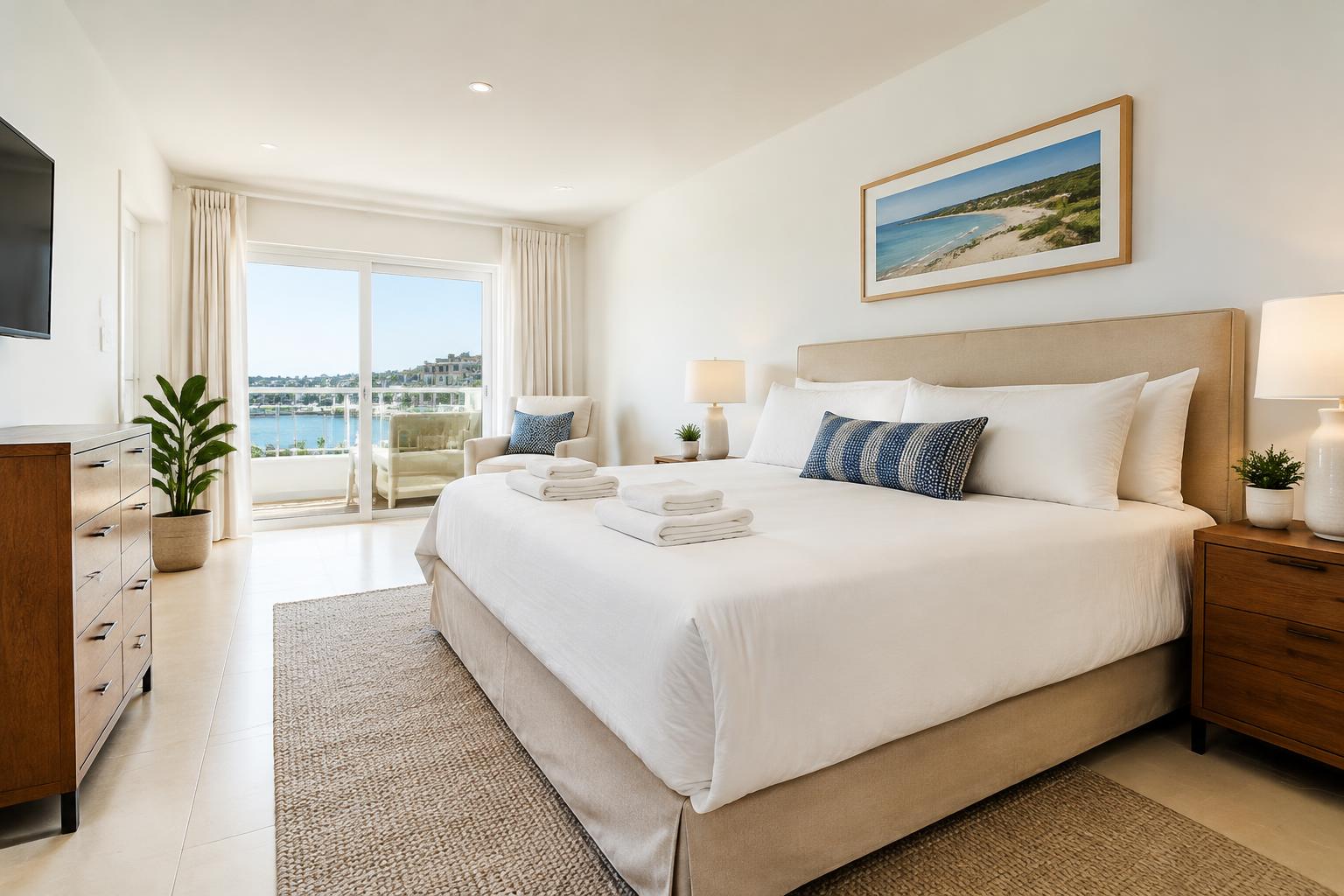
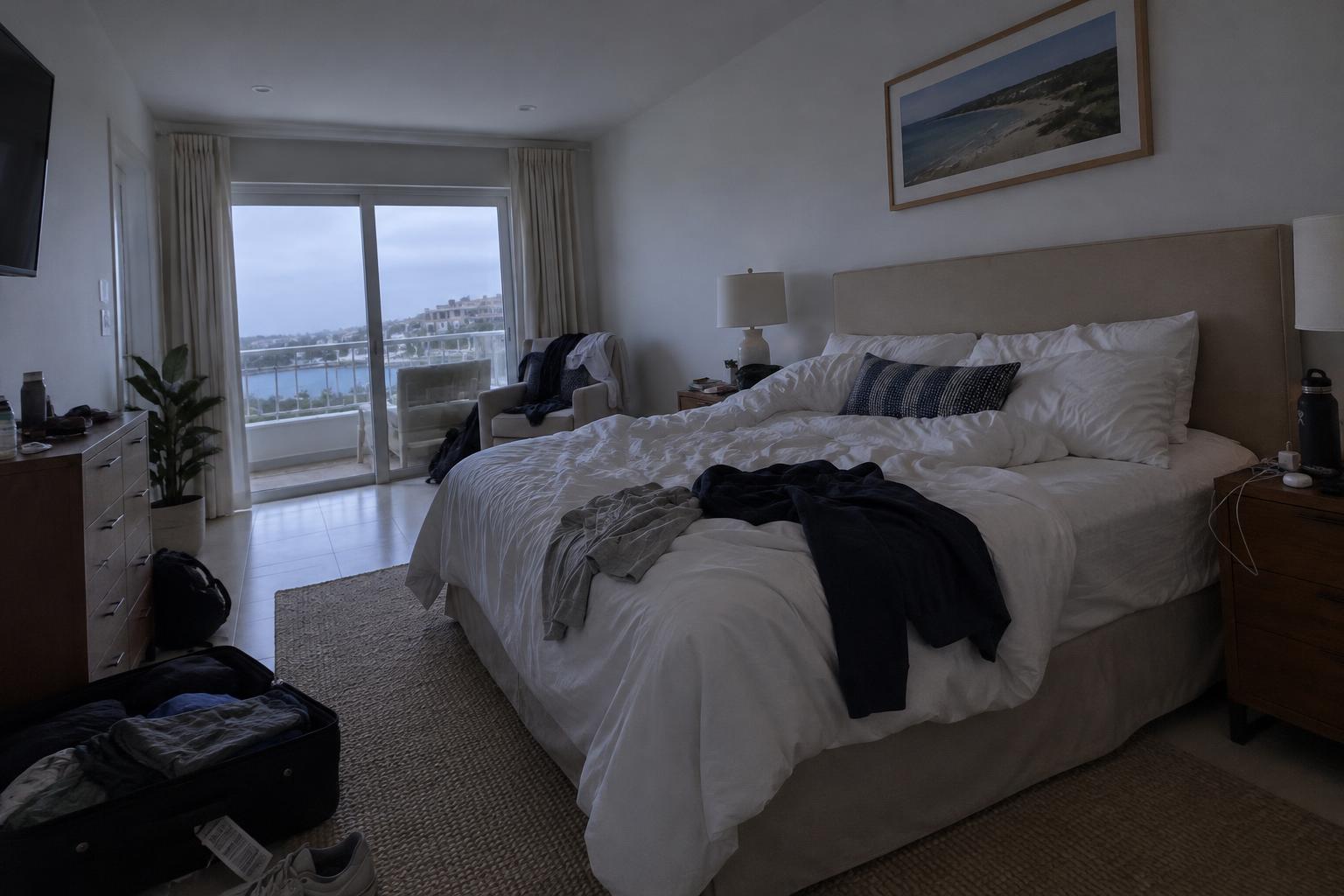 BeforeAfter
Write your Airbnb description as if you were explaining the place to a guest who has never visited the area. Tell them why they might enjoy staying, how the home works and what could make it unsuitable for them. You do not need a polished sales voice. You need useful details in words you would actually say.
In our 15 years in real estate, I learnt that knowing a property well can make it harder to describe. You stop noticing the steps at the entrance, or assume everyone understands what you mean by a nearby beach. Those are exactly the details a guest needs.
Start with the stay, not a string of adjectives
Your opening should help someone decide whether to keep reading. Give them the type of home, its setting and a concrete reason to choose it. Save the full inventory for later.
Here is a fictional example, not wording to copy unless it describes your property accurately:
Our upstairs flat suits couples who want to explore town on foot and come back to a quiet evening. The kitchen has space to cook a proper dinner, and the station is within walking distance. You will need to climb a flight of stairs to reach the front door.
That opening gives the reader a picture of the stay and flags an important limitation. It says more than a paragraph calling the flat beautiful, stylish and perfectly located.
Try this simple starting point: “Our [type of home] is in [setting], with [useful feature]. It works particularly well for guests who want [kind of stay].” Then rewrite it until it sounds like you.
Avoid promising that your place is perfect for everyone. A central flat above a busy street and a remote cottage offer very different stays. Both can be appealing when described honestly.
Find your voice in the details you choose
Sounding personal does not mean telling your life story. It means choosing details with the care you would give a direct message to a guest.
Imagine someone asks, “What is it actually like staying there?” Say your answer aloud, or record a voice note. You will probably mention the morning light in the kitchen, where you leave muddy boots or whether you can hear the pub at closing time. Those details are more useful than a list of flattering adjectives.
Keep the warmth, then remove the waffle. “We like having breakfast by the kitchen window” feels personal. “Experience an unforgettable breakfast experience in our exquisite dining space” does not tell the guest much.
Use “I” or “we” where it adds something genuine. You might explain why you leave a local walking map or which room you use for reading. Do not invent a personal habit just to make the listing feel friendly.
For international guests, plain language matters too. A “cosy snug” may need explaining as a small sitting room. “First floor” can be understood differently across countries, so say whether the accommodation is above ground level and whether there are stairs or a lift.
Answer the questions behind the booking
Your description does not need to contain every instruction for using the home. It should answer the questions that affect whether someone books it. Keep arrival codes and appliance instructions for your guest information.
Sleeping arrangements deserve precise wording. Say which beds are in separate bedrooms and whether anyone sleeps on a sofa bed in the living room. If reaching the bathroom means walking through another bedroom, make that clear. A total guest capacity alone does not explain how comfortably a group will fit.
Explain what guests have to themselves. Is the entrance private? Is the garden shared? Does anyone else live in the building? Words such as “entire” and “private” should not leave readers guessing about individual spaces.
For everyday comforts, focus on what your likely guests need to know:
- ✓Cooking: explain whether there is a full kitchen or a kitchenette, and mention important omissions.
- ✓Working: distinguish a proper desk from a dining table, and describe the Wi-Fi without making unverified speed claims.
- ✓Parking: say whether there is a dedicated space, street parking or a nearby car park. Do not imply availability you cannot guarantee.
- ✓Temperature: explain the heating or cooling available, especially if it differs between rooms.
- ✓Access: describe steps, narrow entrances and other physical features rather than simply calling the home accessible.
- ✓Outdoor space: clarify whether a balcony, terrace or garden is private, shared or reached through another area.
Be equally specific about location. “Close to everything” means very little. Name the places guests are likely to visit and explain whether they would walk, drive or use public transport. Only include distances or journey estimates you have checked, and make the travel method clear.
Put limitations where guests will notice them
Hosts sometimes worry that mentioning a drawback will put people off. It may put off someone whose needs your home cannot meet. That is better than having them discover the mismatch after arrival.
State the fact calmly, without apologising or trying to disguise it. “The bedroom faces a street with evening traffic” is clearer than “Enjoy the lively atmosphere of our vibrant neighbourhood.” If you provide something helpful, such as shutters, mention it without promising it solves the issue completely.
Do not bury significant limitations beneath a long list of attractions. Stairs without a lift, a shared bathroom or a remote location belong somewhere guests can easily find them.
Keep practical information consistent across the listing. Your description, amenities, sleeping arrangements and photos should tell the same story. On Airbnb, Vrbo and Booking.com, review the relevant listing fields as well as the main text. Available fields can change, so check the current editing options rather than relying on an old template.
You can repeat an essential point when it prevents confusion. There is a difference between useful reinforcement and describing the same comfortable sofa three times.
A practical checklist before you publish
Read your draft once as a guest choosing a stay, then once as a guest preparing to arrive. The first read tests whether the place appeals. The second reveals unanswered questions.
- ✓Does the opening explain the home, setting and main reason to stay?
- ✓Are the beds, bedrooms and bathroom arrangements clear?
- ✓Have you distinguished private spaces from shared ones?
- ✓Can guests understand access, stairs and parking without messaging you?
- ✓Have you described cooking, working and temperature control accurately?
- ✓Are location claims checked and travel methods stated?
- ✓Have you made any important drawbacks easy to find?
- ✓Does the wording agree with your photos and amenities?
- ✓Have you removed claims such as “perfect”, “best” and “everything you need” where specifics would help more?
- ✓Does it sound natural when you read it aloud?
Ask someone unfamiliar with the property to explain the layout back to you. If they misunderstand where people sleep or how the outdoor space works, revise that part.
After publishing, keep a note of recurring guest questions. Repeated questions can point to missing information or wording that is difficult to spot. Update the relevant sentence rather than adding another long paragraph at the end.
How HouseBoost can help with your listing
If finding the words is the difficult part, HouseBoost Pro costs €50 per property and includes a new listing text that sounds personal, alongside AI editing for up to 50 photos and an optional own watermark. Give clear property details and check the finished wording against the home before publishing.
Basic costs €25 for up to 15 photos with a small HouseBoost watermark. Premium costs €250 and includes everything in Pro, a walkthrough video, own wishes per photo, a manual check and photos within 24 hours. Payment is one off per property, with no subscription. Upgrading later means paying only the difference.
The photo editing improves light, colour and detail without inventing features. AI editing does not replace a photographer in every case. The same principle applies to both images and words: show the home at its best, while keeping it a true representation of what guests will find.
Frequently asked questions
What should I include in my Airbnb description?
Explain the type of home, setting, sleeping arrangements, private and shared spaces, access and everyday comforts. Include any limitations that could affect a booking decision, and keep detailed arrival instructions separate.
How long should an Airbnb description be?
Make it long enough to explain the stay clearly, but remove repetition and vague sales language. Use short paragraphs and check the current limits in the listing editor, as different fields may allow different amounts of text.
Can I use AI to write my Airbnb description?
Yes, but give it accurate property details and examples of how you naturally speak. Check every claim afterwards, especially amenities, access, distances and anything the tool may have assumed.
Should I mention drawbacks in my Airbnb description?
Yes, if they could affect whether the home suits a guest. Describe things such as stairs, traffic noise or shared spaces plainly and place important limitations where readers can easily find them.
About the author
Marcellino Zwirs
Co-founder of HouseBoost. 15 years in real estate, helping hosts present their homes better.
LinkedIn ↗